Easter Egg: The Charming Dingbats Font for Creative Projects
There's a particular kind of joy that comes from finding the perfect design element—one that feels both playful and polished, whimsical yet professional. For designers, crafters, and small business owners, the Easter Egg dingbats font captures that balance beautifully. This isn't just another decorative typeface; it's a carefully curated collection of cute, thematic symbols that can transform ordinary projects into memorable visual stories.
What Makes Easter Egg Visually Appealing
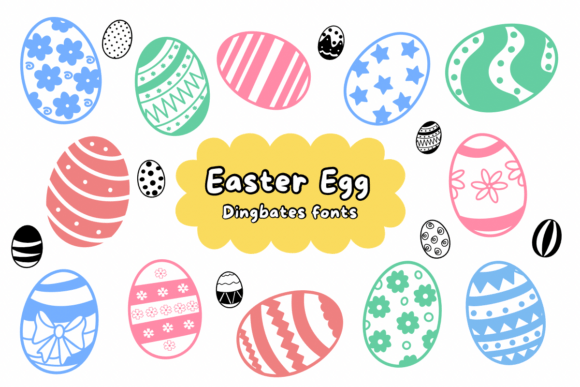
At its core, Easter Egg is a dingbats font, meaning it replaces standard letters with decorative symbols. But what sets it apart is its cohesive, adorable aesthetic. Each character is designed with soft lines, cheerful motifs, and a consistent style that feels handcrafted. Think of tiny bunnies, delicate eggs, spring flowers, and charming baskets—all rendered in a way that's detailed enough for professional use but friendly enough for personal projects.
The visual appeal lies in its versatility. Unlike some novelty fonts that feel too cartoonish or juvenile, Easter Egg strikes a balance. Its illustrations are refined enough to work on wedding invitations yet playful enough for children's party decorations. This adaptability makes it a valuable asset in any designer's toolkit, especially when projects require a touch of warmth and personality without sacrificing sophistication.
Practical Applications Across Creative Fields
Where does a font like Easter Egg truly shine? Its applications span far beyond seasonal crafts. Consider how these thematic symbols can enhance various projects:
- Branding and Logo Design: For businesses with a playful, approachable identity—think bakeries, children's boutiques, or artisan craft shops—Easter Egg symbols can serve as subtle branding elements. Imagine a small icon from the font used in a logo mark, on packaging seals, or as social media profile accents. This creates visual consistency and helps brand recognition through distinctive, memorable imagery.
- Packaging and Merchandise: Product packaging tells a story before a customer even reads a word. Using Easter Egg symbols on labels, tags, or wrapping paper can reinforce a product's theme—whether it's springtime treats, handmade soaps, or specialty gifts. The font's cute motifs add perceived value and attention to detail that customers notice.
- Social Media and Digital Content: In the crowded space of social media, visual distinction matters. Incorporating these dingbats into Instagram stories, Pinterest graphics, or Facebook posts can make content more engaging. They work particularly well as decorative dividers, accent points, or thematic illustrations that break up text-heavy posts.
- Print Materials and Invitations: Wedding invitations, baby shower cards, event programs, and thank-you notes benefit immensely from thoughtful typography. Easter Egg symbols can frame text, highlight important details, or add a cohesive theme throughout stationery suites. For DIY enthusiasts, this font offers professional-looking results without custom illustration costs.
- Editorial and Web Design: Blogs, magazines, and websites often need subtle decorative elements to enhance readability and visual interest. Using these symbols as bullet points, section dividers, or sidebar illustrations can create a more immersive reading experience while maintaining a clean layout.
Enhancing Visual Communication and Brand Identity
Typography is more than just choosing a pretty font—it's about visual communication. The right typeface conveys emotion, establishes tone, and guides the viewer's eye. Easter Egg excels here because its symbols are instantly recognizable and emotionally resonant. They evoke feelings of celebration, freshness, and care, which can subtly influence how an audience perceives a brand or message.
For small business owners and entrepreneurs, this emotional connection is valuable. When customers see consistent, charming visual elements across packaging, social media, and marketing materials, it builds trust and recognition. Easter Egg becomes part of a visual language that says, "We pay attention to details, and we care about your experience."
From a practical standpoint, using a dingbats font like this also improves visual consistency. Instead of sourcing separate illustrations or icons, designers can rely on a single, cohesive set of symbols that share the same style, weight, and aesthetic. This ensures that all design assets look intentionally curated rather than randomly assembled.
Choosing and Pairing Fonts Effectively
While Easter Egg is versatile, its effectiveness depends on how it's used. Here are some practical considerations for integrating it into projects:
- Understand the Project's Tone: Before selecting any font, clarify the project's goals. Is it meant to feel playful, elegant, rustic, or modern? Easter Egg leans toward cheerful and whimsical, so it pairs well with projects that embrace warmth and personality. For more corporate or minimalist designs, it might serve better as an accent rather than a primary element.
- Test Font Pairings Carefully: Dingbats fonts work best when paired with complementary typefaces. For example, Easter Egg's delicate symbols might pair beautifully with a clean sans-serif for body text or an elegant script for headlines. The key is balance—let the symbols enhance without overwhelming. Try pairing it with neutral fonts like Open Sans, Lato, or Montserrat for a harmonious look.
- Consider Readability and Scale: Because dingbats are visual symbols, their clarity depends on size and context. At very small sizes, intricate details might get lost. Test how the symbols render at different scales, especially for digital use where screens vary. For print, ensure high-resolution output to maintain crisp lines.
- Review Included Styles and Characters: Before starting a project, explore the full character map of Easter Egg. Understanding what symbols are available helps plan layouts more efficiently. Some dingbats fonts include variations, borders, or complementary shapes that can be combined for more complex designs.
- Check Commercial Licensing: For business use, always verify the font's licensing terms. Many premium fonts offer commercial licenses that allow use in products for sale, marketing materials, and client work. This is especially important for entrepreneurs creating merchandise or digital products where font usage might extend beyond personal projects.
Real-World Examples and Inspiration
Imagine a local bakery rebranding for spring. They could use Easter Egg symbols on their packaging—tiny eggs and flowers on cookie bags, bunny motifs on loyalty cards, and thematic dividers on their menu. This creates a cohesive seasonal campaign that feels festive and intentional.
Or consider a wedding planner designing a suite of stationery. Using the font's symbols as accents on save-the-dates, programs, and thank-you notes ties the entire suite together with a consistent, charming aesthetic. The symbols become part of the couple's visual story, remembered long after the event.
For content creators, incorporating these dingbats into blog headers or social media graphics can increase engagement. A food blogger might use them to highlight recipe steps, while a lifestyle influencer could add them to Instagram stories for a playful touch. These small details make content more shareable and visually distinctive.
Final Thoughts on Integrating Creative Fonts
Choosing the right design assets is about more than aesthetics—it's about effective communication. Easter Egg offers a unique blend of charm and versatility that can elevate projects across industries. Whether you're a designer seeking fresh illustration options, a small business owner building brand identity, or a crafter looking for professional-quality elements, this font provides practical value.
Remember that the best typography choices serve the project's goals. Use Easter Egg where its personality aligns with the message, pair it thoughtfully with complementary fonts, and always test how it renders in context. When used with intention, a creative font like this doesn't just decorate—it communicates, connects, and enhances the entire visual experience.