Ithra: The Kufic Display Font for Bold Modern Branding
There is a specific moment in a design project where the standard fonts just aren't cutting it. You have the layout, the color palette, and the message, but the typography feels generic, lacking the distinct character needed to make the brand stand out. This is often the turning point where designers and business owners start searching for something with history and weight—a typeface that carries a story while serving a modern purpose. Enter Ithra, a display font that bridges the gap between the ancient art of Fatimid-era calligraphy and the crisp requirements of contemporary digital design. It is not just a set of characters; it is a visual statement rooted in cultural richness.
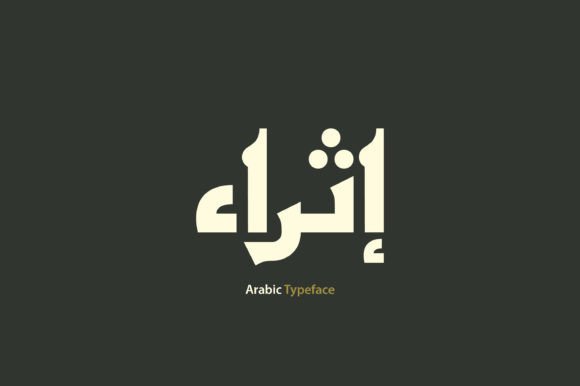
The name itself, translating to "enrichment" in Arabic, perfectly describes the visual experience of using the font. Inspired by the Kufic styles of the Fatimid Dynasty (909-1171 AD), Ithra takes the rigid, geometric beauty of that historical period and refines it for the screen and print. For anyone working on a project that demands attention—whether it is a bold logo, an impactful poster, or a distinctive web header—understanding how to leverage Ithra’s unique architecture can be the difference between blending in and standing out.
A Visual Connection to History Without the Clutter
The Fatimid Dynasty was known for its intricate art, architecture, and ceramics, and the Kufic script used during that time was highly structured and geometric. Ithra channels this energy but strips away the excessive ornamentation that might make older scripts illegible on a modern smartphone. The result is a clean, sharp aesthetic. The vertical strokes are strong and commanding, while the horizontal connections maintain a rhythmic flow. It feels substantial and expensive. If you are designing for a brand that wants to convey stability, heritage, or luxury, this typeface provides that foundation immediately.
However, it is important to remember that Ithra is a display font. This classification is crucial for practical application. Display fonts are designed to be used at larger sizes—think headlines, titles, and logos. They are the visual equivalent of a loudspeaker. You wouldn't use a megaphone to whisper a secret, and similarly, you shouldn't use Ithra for long paragraphs of body text. Its intricate details are meant to be admired at a glance, not scrutinized over long reading sessions.
Practical Applications: Where Ithra Shines
Because of its distinct personality, Ithra is a versatile tool in the hands of a creative professional. It fits seamlessly into a variety of modern projects, adapting to different mediums with surprising ease. Whether you are a small business owner crafting a new identity or a designer building out a client's marketing assets, the font offers specific advantages for different deliverables.
Logo Design and Brand Identity
The most immediate use for a premium font like Ithra is in logo design. A logo needs to be recognizable and scalable. Ithra’s geometric roots ensure that it looks just as sharp on a massive billboard as it does on a tiny favicon. For brands in the lifestyle, fashion, tech, or hospitality sectors, this font can serve as the anchor of the brand identity. It pairs exceptionally well with clean sans-serif fonts, creating a hierarchy that feels both authoritative and approachable.
Packaging and Merchandise
In packaging design, shelf appeal is everything. A product has only a few seconds to catch a consumer's eye. Ithra can be used to highlight the product name or key selling points, adding an artistic flair that suggests quality. Imagine a coffee bag, a perfume box, or a skincare label where the product name is rendered in Ithra—it immediately elevates the perceived value of the product. The same applies to merchandise like t-shirts or tote bags, where the typography itself becomes the graphic element.
Digital Presence: Web and Social
In the realm of web design, hero sections and landing pages need strong typography to guide the user's eye. Ithra works beautifully for large headers, drawing visitors in before they even read the subtext. For social media graphics, where the feed is crowded and fast-moving, the unique silhouette of Ithra helps stop the scroll. It is particularly effective for Instagram stories, YouTube thumbnails, or LinkedIn banners where you want to project a professional yet creative image.
Mastering the Pairing: Readability and Contrast
One of the most common challenges with using a stylistic Arabic display font in a mixed-language context—or even within a single-language layout—is maintaining readability. Ithra is bold, but its beauty lies in its structure. To make it work effectively, you need to master the art of font pairing.
Because Ithra has a high visual weight and distinct character, it requires a partner that can step back and let it shine. Pairing it with a neutral, geometric sans-serif font for your body text is usually a winning strategy. The sans-serif provides a clean, modern baseline that contrasts with Ithra’s historical elegance. Avoid pairing it with other decorative or script fonts, as this will create visual chaos and confuse the reader.
Consider the visual consistency of your project. If you are designing an invitation or an editorial layout, ensure that the spacing (tracking and kerning) around Ithra is balanced. Since it is a display face, it often benefits from slightly looser letter spacing to allow the unique shapes of the letters to breathe. This attention to detail is what separates amateur work from professional presentation.
Technical Versatility for Modern Workflows
A major concern for designers and entrepreneurs is whether a typeface will perform well across different technologies. You might fall in love with a font on your desktop, only to find it looks jagged or clunky on a mobile app. Ithra is designed with modern usage in mind. It is optimized for web, print, and smartphone applications. This cross-platform compatibility ensures that your brand recognition remains intact regardless of how your audience accesses your content.
When you download a commercial font like Ithra, you are investing in a design asset. It is worth taking the time to review the included font styles and weights. Does it have a bold version for emphasis? Does it have a light version for a more subtle approach? Understanding the full range of the typeface allows you to create a robust typographic system for your brand. For instance, you might use Ithra Bold for main headlines and Ithra Regular for subheadings, maintaining the style while varying the intensity.
Strategic Selection: Licensing and Project Goals
Before integrating any new typeface into your workflow, it is vital to align the choice with your project goals and legal requirements. Ithra is a premium font, which usually implies a higher level of craftsmanship and broader usage rights than free alternatives. However, you must always review the commercial licensing terms. If you are a freelancer creating assets for a client, ensure the license covers the client's usage, or that the client purchases their own license. This is a standard part of professional editorial design and branding work.
Furthermore, think about the emotional resonance of the font. Modern typography is not just about legibility; it is about psychology. Ithra evokes a sense of culture, history, and strength. Is that the right message for a playful children's brand? Probably not. But is it right for a high-end consultancy, a cultural institution, a luxury tech brand, or a creative agency? Absolutely. By matching the typeface personality to the brand voice, you create a cohesive narrative that engages the audience on a deeper level.
Ultimately, Ithra offers a rare blend of ancient inspiration and modern utility. It allows content creators and designers to infuse their work with a sense of "enrichment" that feels authentic and visually arresting. Whether you are laying out a magazine spread, mocking up a new app interface, or printing posters for an event, having a font like Ithra in your toolkit provides a reliable way to add gravity and beauty to your visual communication.