Pencil Line: The Handwritten Font for Authentic Design
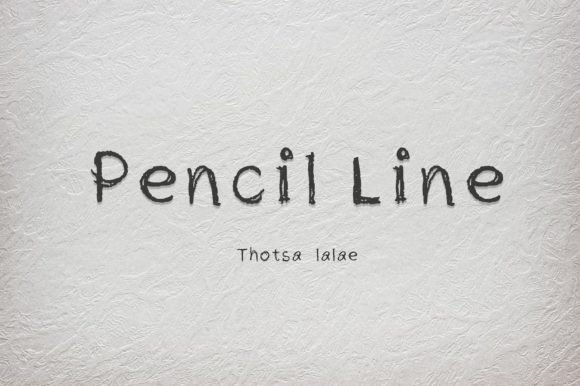
There’s a certain magic in a line drawn by hand. It’s not perfect. It wobbles slightly, carries the pressure of a real touch, and holds a warmth that machine-perfect strokes can’t replicate. That’s the feeling Pencil Line, a natural and spontaneous display font, brings to your projects. It’s not just another typeface; it’s a whisper of authenticity in a world of digital polish, designed to make your work feel approachable, human, and genuinely creative.
Capturing the Whimsy of Handmade
What makes this particular handwritten font stand out is its character. The letterforms have a quirky, uneven baseline and charming imperfections that mimic the look of text sketched quickly in a notebook. This isn't a stiff, formal script. It’s a creative font with personality, making it ideal for projects that need to convey friendliness, creativity, and a personal touch. Think of a cozy café’s menu, a boutique’s shopping bag, or the header of a lifestyle blog—places where you want the audience to feel a direct connection.
The visual appeal lies in its versatility within that whimsical style. It maintains strong readability despite its decorative nature, a crucial balance for any display font. The letters are crafted to be clear at both larger headline sizes and for shorter blocks of text, ensuring your message gets across without losing its artistic flair. This balance between style and function is what separates a good premium font from a merely decorative one.
Where Spontaneous Typography Shines
Let’s talk practical application. Where does a font like Pencil Line truly come alive? Its strengths are best realized in projects where personality and engagement are key goals.
- Branding & Logo Design: For small businesses, artisan brands, or personal projects, this typeface can form the core of a memorable brand identity. Imagine it as the primary logo font for a handmade soap company, a children’s book author, or a local pottery studio. It instantly communicates craft and care.
- Packaging & Merchandise: On product labels, tags, or merchandise like tote bags and mugs, Pencil Line adds a tactile, artisanal quality. It makes packaging feel less corporate and more like a gift, enhancing the unboxing experience and strengthening brand recognition.
- Digital Presence: In web design, it can be used for striking headers, call-to-action buttons, or section titles on a blog. For social media graphics, it’s perfect for creating Instagram stories, Pinterest pins, or Facebook posts that feel personal and stop the scroll. Its unique look helps content stand out in a crowded feed.
- Print & Editorial: Think beyond the screen. This font is wonderful for editorial design in magazines, creating eye-catching pull quotes or chapter titles. For print materials like flyers, posters, and invitations, it sets a welcoming and creative tone from the first glance.
Essentially, any project that benefits from a human, approachable, and slightly playful aesthetic is a candidate for Pencil Line. It’s a tool for storytelling through typography.
Building a Cohesive Visual Language
Using a distinctive font like this isn’t just about decoration; it’s a strategic choice for improving your project’s overall communication. Consistent use of a specific typeface across all your materials—from your website to your email newsletter to your business cards—builds a recognizable visual thread. This visual consistency is foundational to professional presentation and helps audiences instantly identify your work.
Furthermore, the right font enhances audience engagement. A whimsical, handwritten style can make content feel more relatable and less intimidating, encouraging readers to spend more time with your message. It’s particularly effective for targeting demographics that value authenticity and creativity, from craft enthusiasts to supporters of local businesses. However, context is everything. While perfect for a bakery’s logo, it might not be the best choice for a law firm’s annual report. Matching your typography to your project’s goals and audience expectations is a critical skill.
Practical Tips for Implementation
Ready to give it a try? Here’s how to integrate a font like Pencil Line effectively into your design workflow.
- Pairing is Key: A standout display font needs a reliable partner. Pair Pencil Line with a clean, neutral sans serif font or a classic serif font for body text. This creates a beautiful contrast that ensures readability while letting the handwritten headlines shine. For example, use Pencil Line for a blog post title and a font like Lato or Georgia for the paragraphs.
- Test for Readability: Always test your chosen font at the actual size it will be used. While it’s legible, very long paragraphs in a handwritten style can become tiring to read. Use it strategically for emphasis—headlines, subheads, short quotes, and calls to action.
- Explore the Styles: Many premium fonts come in multiple weights or styles (bold, light, italic). Check what’s included with Pencil Line. A bolder weight might be perfect for a poster headline, while a lighter version could work for elegant wedding invitations.
- Understand Licensing: If you’re using the font for commercial work—like on products for sale, client projects, or business marketing—ensure you have the correct commercial license. This is a standard part of using design assets professionally and protects both you and the font creator.
The best way to know if a font works is to experiment. Drop it into a mockup for your next project. See how it interacts with your color palette and imagery. Does it convey the feeling you’re after? Does it align with your brand’s voice?
In the end, typography is one of the most powerful tools in a designer’s arsenal for setting a mood and conveying a message. Pencil Line offers a specific mood: one of authenticity, creativity, and human connection. It’s a font pairing opportunity waiting to happen, a way to inject life into digital products and marketing assets. By understanding its personality and applying it thoughtfully, you can create designs that don’t just look good, but feel genuinely engaging. So open up your design software, explore its curves, and see where its spontaneous lines can take your next creation.