Rosting: A Handwritten Font That Feels Like a Personal Note
There’s something undeniably human about a handwritten message. It carries warmth, personality, and an immediate sense of authenticity that typed text often misses. In a world saturated with digital uniformity, finding a typeface that can inject that personal touch into your designs is like discovering a secret ingredient. That’s precisely what Rosting offers. It’s a stylish and incredibly elegant handwritten font that manages to be both personal and polished, making it a versatile tool for anyone looking to add a touch of sophistication to their creative work.
More Than Just Pretty Letters: The Visual Appeal of Rosting
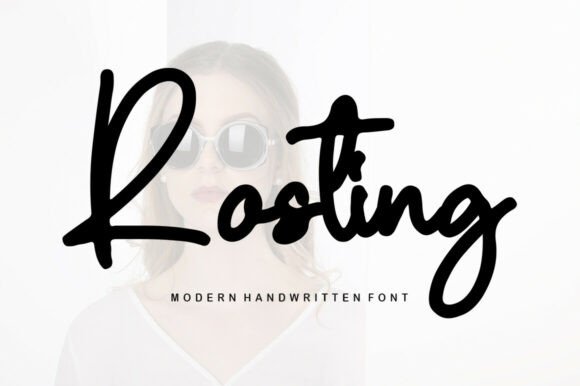
At first glance, Rosting captivates with its graceful, flowing forms. The letterforms are crafted with a natural rhythm, mimicking the subtle variations of a skilled hand. Unlike some script fonts that can feel overly casual or chaotic, Rosting maintains a remarkable level of legibility and structure. The connections between letters feel intentional, and the overall texture is smooth yet expressive. This balance is key. It allows the font to convey emotion and personality without sacrificing clarity, which is a common challenge with many handwritten typefaces. It’s this elegant simplicity that makes it a standout display font for projects that demand both style and substance.
Where Rosting Truly Shines: Practical Applications
The true test of any creative font is how it performs in real-world scenarios. Rosting’s strength lies in its incredible adaptability across a wide spectrum of projects.
- Branding & Identity: For brands that want to feel approachable, artisanal, or luxurious, Rosting can be a cornerstone. Imagine it on a bakery’s logo, a boutique’s shopping bag, or the header of a lifestyle brand’s website. It helps build a brand identity that feels curated and human.
- Packaging Design: On product labels, boxes, or sleeves, Rosting adds an immediate premium, handcrafted feel. It suggests care and attention to detail, which can significantly influence a customer’s perception of quality.
- Digital & Social Media: In the fast-scrolling world of social media, a well-placed Rosting headline or quote graphic can stop the thumb. It adds visual interest to Instagram posts, Pinterest pins, and Facebook banners, making content more engaging and shareable.
- Print & Invitations: This is where Rosting feels most at home. Its elegance is perfect for wedding invitations, thank you cards, greeting cards, and event programs. It sets a tone of celebration and importance.
- Editorial & Blog Layouts: Used sparingly for pull quotes, chapter titles, or blog headers, Rosting can break up blocks of serif or sans-serif text, adding a dynamic visual element that enhances the reader’s experience.
Achieving Polish and Professionalism with a Handwritten Font
Using a handwritten font like Rosting effectively isn’t about replacing all your text with script. It’s about strategic application to elevate your project’s professionalism and impact.
Visual Consistency: By selecting Rosting as your primary accent font, you create a consistent visual language across all your materials. From your website to your packaging to your social media graphics, the font becomes a recognizable part of your brand’s voice, strengthening brand recognition.
Readability and Hierarchy: Rosting excels as a headline or accent font. Pair it with a clean, highly legible sans serif font for body text. This contrast creates a clear visual hierarchy, guiding the viewer’s eye and improving overall readability. The handwritten element draws attention, while the simpler font ensures the message is easily consumed.
Audience Engagement: Fonts evoke emotions. The warmth and elegance of Rosting can make your audience feel a personal connection. A marketing email with a Rosting-style header feels less like a corporate broadcast and more like a note from a friend, potentially increasing engagement and click-through rates.
Making Rosting Work for You: Practical Tips
To get the most out of this premium font, consider these practical steps:
- Test Your Pairings: Before committing, experiment with Rosting alongside your other fonts. Does it work well with your chosen serif font for body copy? Does it complement or clash with your logo? Use design software to create mockups and view them at different sizes.
- Mind the Context: Rosting is elegant, but is it the right fit for a tech startup’s annual report? Probably not. Always match the font’s personality to your project’s goals and audience. It’s ideal for lifestyle, wedding, beauty, food, and artisan brands.
- Review the Glyphs: A quality script font like Rosting often includes alternate characters, swashes, and ligatures. Explore these extras. They can add a unique flair to specific letters, preventing your design from looking generic and truly personalizing the typography.
- Consider the License: If you’re using Rosting for client work, merchandise, or digital products, ensure you have the correct commercial font license. Always review the license terms to understand what’s permitted for your specific use case, whether it’s for a single project or an entire brand system.
Ultimately, Rosting is more than just a collection of letters. It’s a design asset that bridges the gap between the digital and the personal. It allows you to communicate with elegance and warmth, making your designs feel both professional and profoundly human. Whether you’re crafting a brand identity, designing marketing materials, or creating a beautiful invitation, this typeface offers a reliable way to add that sought-after handwritten touch with confidence and style.