Areion: A Typeface That Channels the Energy of Tomorrow
There's a specific feeling that comes with flipping through old magazines from the late 1990s or watching music videos from that era—a blend of optimism, chrome, and a fascination with the digital frontier. It was a time when technology felt shiny and new, and design reflected that with bold, often futuristic aesthetics. If you're working on a project that needs to capture that same innovative spark, a font like Areion can be the missing piece. This isn't just another typeface; it's a design tool built for projects that want to look ahead, not back.
The Visual Personality of Areion
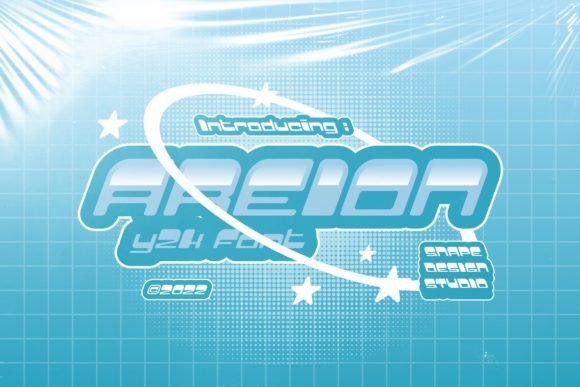
At its core, Areion is a display font, which means it's designed to make a statement in headlines, logos, and large-format text rather than in long paragraphs. Its character is unmistakably futuristic, with letterforms that suggest motion, precision, and a digital origin. You can see the Y2K influence in its sharp angles, geometric curves, and a certain sleekness that feels pulled from the interface of a spaceship or a cutting-edge tech startup. It’s the kind of modern typography that immediately signals innovation.
What makes it visually appealing is its balance. It doesn't sacrifice legibility for style. Each letter is distinct enough to be recognized quickly, which is crucial for any creative font intended for real-world use. Whether you choose a standard weight or explore any stylistic alternates it might include, the font maintains a cohesive, forward-thinking vibe. This makes it a versatile premium font for anyone looking to inject a dose of the future into their work.
Where This Futuristic Typeface Truly Shines
So, what do you actually use a font like Areion for? Its strength lies in projects where you need to grab attention and convey a specific, advanced tone. Think about logo design for a new software company, a crypto brand, or an electronic music producer. The font’s inherent style does much of the branding work for you, creating an instant association with technology and progress.
Beyond logos, consider its role in packaging design. Imagine a box for high-end headphones, a new energy drink, or a skincare line using advanced biotech. Areion on the packaging tells a story of innovation before the customer even reads the product description. The same principle applies to social media graphics. In a fast-scrolling feed, a post or story header set in Areion can stop thumbs because it looks different from the sea of standard sans serifs and scripts.
For web design, it can be a powerful tool for hero sections and key headlines. It sets a tone for the entire site experience. Similarly, in editorial design, like a magazine feature on future trends or a tech review, it can frame the content with the right visual language. Don't overlook physical applications either—it works beautifully on posters for events, merchandise like t-shirts and hats, and even invitations for launch parties or themed events.
Making It Work for Your Brand and Projects
Choosing a font is a strategic decision. It’s not just about what looks cool; it’s about what communicates your message effectively. Areion excels when your project goal is to appear innovative, digital, or space-themed. If you’re a small business owner launching a tech gadget, this typeface can help build a brand identity that feels credible and contemporary. For content creators, using it consistently in your video thumbnails or blog graphics can boost brand recognition and make your content instantly identifiable.
A key piece of practical advice: font pairing is everything. A display font like Areion rarely works well for body text. Its power is in headlines and short bursts of text. You’ll want to pair it with a highly readable sans serif font or even a clean serif font for longer paragraphs, descriptions, or captions. This contrast creates visual hierarchy and ensures your professional presentation doesn’t come at the cost of readability.
Before committing, always test the font in your specific context. Type out your actual project name, not just the alphabet. See how it looks at the sizes you’ll use. Check the spacing between letters (kerning) in your design software. If the font includes multiple weights or styles, review them to see if a bolder or lighter version suits your needs better. This hands-on testing is a non-negotiable step in the design process.
A Smart Addition to Your Design Toolkit
When you invest in a commercial font like Areion, you’re not just buying a file—you’re adding a specialized tool to your arsenal. The right typeface can elevate a design from amateur to polished, helping to create visual consistency across all your materials. This consistency is what builds trust with your audience and makes your brand feel more established.
Remember that licensing matters. Always ensure you understand the terms of use, especially if you plan to use the font for client work, merchandise for sale, or digital products. A reputable font will come with clear licensing that covers these scenarios, giving you peace of mind to create freely.
In a landscape where standing out is increasingly difficult, having access to distinct design assets like Areion can make a tangible difference. It’s a typeface with a clear point of view, perfect for the designer, entrepreneur, or creator who wants their work to feel like it’s part of the next big thing. It’s less about following a trend and more about capturing a timeless sense of forward momentum. If your project needs that kind of energy, it’s worth exploring how this font can bring your vision to life.