Cadels: Where Medieval Artistry Meets Modern Design
There's something magnetic about typography that carries history in its strokes. You know the feeling when you spot a font that doesn't just sit on the page but tells a story? That's exactly what happens when you encounter Cadels. Inspired by the ornate cadel style of medieval blackletters, this font family doesn't whisper—it announces, pulling viewers into a world of old-world craftsmanship and visual intrigue.
A Font Family with a Story to Tell
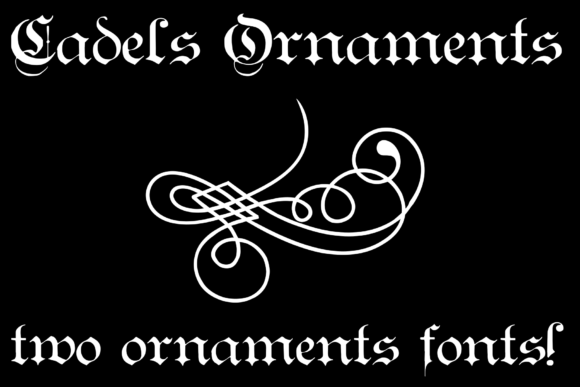
Cadels isn't a single typeface doing all the heavy lifting. It's a carefully curated family: one principal display font rooted in blackletter tradition, plus two decorative ornament fonts included in the package. Think of it as a toolkit rather than a standalone asset. The main font delivers that unmistakable medieval character—elegant, slightly mysterious, and rich with personality. The ornament fonts add flourishes, borders, and intricate details that feel pulled from illuminated manuscripts.
What makes this combination genuinely useful is how the pieces work together. You're not hunting for matching decorative elements elsewhere or settling for generic clip art. The ornaments are designed to complement the main font's visual weight and style, which saves time and keeps your designs cohesive.
Practical Applications That Actually Work
Let's talk about where a font like this earns its place in your toolkit. Cadels thrives in projects where atmosphere and visual storytelling matter more than straightforward readability. That said, it's surprisingly versatile once you understand its strengths.
Branding and Logo Design
If you're building a brand with heritage, luxury, or artisan qualities—think craft breweries, boutique bakeries, tattoo studios, specialty bookshops, or independent game developers—Cadels gives your logo an instant sense of depth and character. The blackletter influence signals tradition and craftsmanship without you having to explain it. Pair it with a clean sans serif font for body text, and you've got a brand identity that feels both distinctive and balanced.
Packaging and Merchandise
Product packaging is where Cadels really shines. Imagine it on a label for small-batch whiskey, artisanal chocolate, or handmade candles. The ornate details catch the eye on a crowded shelf, and the medieval aesthetic communicates quality and care. For merchandise like t-shirts, tote bags, or posters, the font's bold personality makes designs memorable without needing complex illustrations.
Editorial and Print Design
Magazine headers, book covers, event programs, wedding invitations, and restaurant menus all benefit from a typeface that commands attention. Cadels works beautifully for titles and pull quotes in editorial layouts, especially when the content touches on history, fantasy, food culture, or lifestyle. The ornament fonts are perfect for decorative dividers and accent elements that elevate a simple layout into something special.
Digital and Social Media
Online, standing out is half the battle. Using Cadels for social media graphics, YouTube thumbnails, podcast artwork, or website headers gives your content a visual signature that people remember. It's particularly effective for creators in niches like gaming, fantasy literature, historical content, or artisan crafts. Just be mindful of sizing—display fonts like this work best at larger sizes where the details are visible.
Choosing the Right Moments for Ornate Typography
Not every project calls for a medieval blackletter aesthetic, and that's perfectly fine. The key is matching your typography to your project's goals and audience. Cadels is a premium font designed for impact, not for setting paragraphs of body copy. Use it where you want to create a focal point: headlines, logos, feature titles, hero sections, and decorative accents.
Here's a practical approach: start with your project's mood and message. If you're designing for a brand that values tradition, mystery, craftsmanship, or a touch of the dramatic, Cadels fits naturally. If your project demands clean minimalism or corporate neutrality, it's probably not the right choice—and recognizing that is just as valuable as knowing when to use it.
Readability is always worth considering. At small sizes or in long passages, ornate blackletter styles can be challenging for general audiences. Reserve Cadels for display purposes and pair it with a highly legible serif font or sans serif font for supporting text. This contrast actually strengthens your design by creating visual hierarchy—viewers immediately know where to look first.
Getting the Most from Font Pairings
One of the most practical things you can do with any creative font is test it alongside other typefaces. Cadels pairs well with a range of options depending on the effect you're after.
- With a classic serif font: Creates a refined, editorial feel suitable for luxury branding, book covers, and formal invitations.
- With a clean sans serif font: Balances the ornate details with modern simplicity, working well for web design, social media graphics, and contemporary packaging.
- With a script or handwritten font: Adds warmth and personality, though this combination works best when one font clearly dominates and the other plays a supporting role.
The trick is contrast without conflict. You want your paired fonts to feel like they're in conversation, not competing for attention. Test your combinations at the actual sizes they'll appear in your final design. What looks balanced on a large screen might feel cluttered on a mobile device or at print size.
Licensing and Commercial Use
Before using any font commercially, it's worth understanding the licensing terms. Cadels is designed as a commercial font, which typically means you can use it in client projects, products for sale, and marketing materials once you've purchased the appropriate license. Always review the specific license details—some licenses cover desktop use, others include web fonts or app embedding, and pricing structures vary.
If you're a freelancer or agency, check whether the license covers work you create for clients or whether each client needs their own license. For small business owners using the font in their own branding and materials, a standard commercial license usually covers your needs. When in doubt, a quick review of the font provider's licensing page saves headaches later.
Design Assets That Save Time and Elevate Quality
What makes a font family like Cadels genuinely valuable isn't just the aesthetic—it's the efficiency. Having a main font and matching ornament fonts designed to work together means less time searching for complementary design assets and more time actually creating. The decorative elements give you ready-made solutions for borders, dividers, and accent pieces that would otherwise require custom illustration or additional purchases.
For content creators and marketers juggling multiple projects, this kind of built-in versatility matters. You can apply the same visual language across a brand's logo, social templates, packaging, and print materials without everything looking identical but while maintaining unmistakable cohesion. That's the sweet spot where typography stops being a background detail and becomes a genuine design strategy.
Whether you're crafting a brand identity from scratch, designing a one-time event invitation, or building a content library with consistent visual appeal, having a typeface with real character and thoughtful extras makes the creative process smoother and the results more polished. Cadels offers that rare combination of distinctive personality and practical utility—medieval inspiration meeting the demands of modern design work.