Tractatus: Where Medieval Elegance Meets Modern Design Projects
There's a certain weight to lettering that carries centuries of history within its strokes. When you encounter a font like Tractatus, you're not just seeing a collection of characters—you're witnessing a visual language that bridges the ornate craftsmanship of medieval scriptoria with the demands of contemporary design work. This typeface doesn't whisper; it announces, with the kind of authoritative elegance that makes viewers pause and take notice.
For designers, entrepreneurs, and creative professionals seeking a typeface that communicates tradition, sophistication, and meticulous attention to detail, Tractatus offers something genuinely distinctive. Its intricate letterforms and gothic-influenced architecture create an immediate sense of heritage and permanence—qualities that many modern brands struggle to convey through standard sans serif fonts or trendy display typefaces.
Understanding the Visual Character of This Gothic Typeface
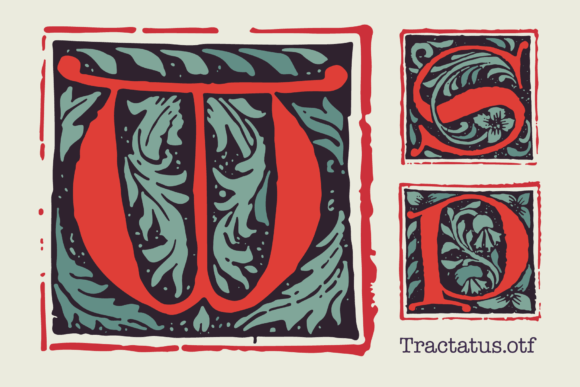
What sets Tractatus apart from other premium fonts is its commitment to ornamental detail without sacrificing structural clarity. Each letter carries decorative flourishes reminiscent of illuminated manuscripts, yet the overall composition maintains enough consistency to function effectively in practical applications. The serifs are pronounced but not overwhelming, and the vertical emphasis gives text blocks a stately, columnar quality that draws the eye upward.
This isn't a font that works everywhere—and that's precisely its strength. Tractatus excels in situations where you want to evoke craftsmanship, legacy, or a connection to historical aesthetics. Think of it as a design asset that carries emotional resonance, not just visual appeal. The letterforms suggest hand-lettered precision, the kind of work that required years of apprenticeship in medieval monasteries.
Practical Applications Across Creative and Commercial Projects
The versatility of Tractatus might surprise you. While its gothic personality seems niche at first glance, this typeface adapts beautifully to a range of professional contexts:
- Logo design and brand identity: For businesses in luxury goods, artisanal products, heritage brands, craft breweries, wineries, or boutique hospitality, Tractatus creates logos that feel rooted in tradition. A monogram built from these letterforms can become an instantly recognizable mark.
- Packaging design: Imagine Tractatus on a handcrafted chocolate box, a premium tea label, or a specialty coffee bag. The font's ornate character communicates quality and care before the customer even reads the product description.
- Invitations and editorial layouts: Wedding stationery, event programs, book covers, and magazine feature spreads benefit enormously from typefaces that carry visual storytelling. Tractatus brings that narrative quality to print materials.
- Social media graphics and digital products: Used strategically as a headline font or accent typeface, Tractatus can make Instagram posts, Pinterest pins, and digital product covers stand out in crowded feeds. The key is restraint—pair it with cleaner body text for contrast.
- Posters and merchandise: Band merch, festival posters, limited-edition prints, and branded merchandise gain character when set in a typeface with this much personality.
Pairing Tractatus with Other Typefaces for Maximum Impact
One of the most common questions designers ask about ornate display fonts like Tractatus involves font pairing. The answer lies in contrast and hierarchy. Because Tractatus carries so much visual detail, it pairs best with simpler companion typefaces that provide breathing room.
Consider combining it with a clean sans serif font for body copy—something geometric or humanist that won't compete for attention. A minimalist serif font can also work well if you want to maintain a traditional feel throughout while keeping secondary text legible. Script fonts and handwritten typefaces generally create too much visual noise alongside Tractatus, so approach those combinations cautiously.
Test your pairings at multiple sizes. A heading in Tractatus at 48 points might look magnificent on screen, but check how it renders at smaller scales. The intricate details that make this font beautiful at large sizes can become muddy below certain thresholds. Most designers find that 24 points is roughly the minimum for maintaining the letterforms' clarity, though this varies depending on the specific application and medium.
Improving Brand Recognition Through Distinctive Typography
Visual consistency across touchpoints builds trust, and typography plays a central role in that equation. When a brand commits to a distinctive typeface like Tractatus for headlines, monograms, or signature elements, every piece of communication reinforces the same visual identity. Customers begin associating those letterforms with the brand's values—craftsmanship, heritage, attention to detail, uncompromising quality.
This is particularly valuable for small businesses competing against larger companies with bigger marketing budgets. A thoughtfully chosen typeface can level the playing field visually. When your bakery's packaging, website headers, and social media graphics all share the same typographic voice, the cumulative effect communicates professionalism and intentionality that money alone can't buy.
Brand recognition also improves when typography becomes memorable. Generic fonts fade into the background. A typeface with Tractatus's distinctive character lodges in memory, creating associations that persist long after the initial encounter. This is how visual branding works at its most fundamental level—not through logos alone, but through the consistent deployment of carefully chosen design elements.
Readability Considerations and Smart Usage Strategies
Every designer working with ornate typefaces faces the readability question honestly. Tractatus is a display font, which means it shines brightest in headline applications, short phrases, monograms, and accent text. Setting entire paragraphs in this typeface would compromise legibility and undermine the very elegance that makes it appealing.
The smart approach involves treating Tractatus as a strategic element within a broader typographic system. Use it for the moments that matter most—your brand name on a package, the headline of a poster, the title of a wedding invitation, the monogram on a business card. Then support it with highly readable body text that carries the informational weight of your design.
Web designers should pay particular attention to rendering across devices and browsers. Test how Tractatus displays on mobile screens, where intricate letterforms sometimes lose definition. Consider using it primarily for desktop hero sections or printed materials where you control the output quality more precisely.
Commercial Licensing and Long-Term Value
Before incorporating any premium font into commercial projects, verify the licensing terms carefully. Most professional typeface licenses distinguish between personal and commercial use, and some require additional licenses for specific applications like merchandise production or software embedding. Understanding these terms upfront prevents complications later, especially if your project scales or your brand grows into new product categories.
Tractatus, as a carefully crafted commercial font, represents an investment in your design toolkit. Unlike free fonts that come with uncertain licensing or limited character sets, a properly licensed typeface gives you legal confidence and typically includes broader language support, additional weights or styles, and ongoing updates from the type designer.
Think about your long-term creative needs. If you're building a brand identity that will appear across dozens of applications over several years, the cost of a quality font license is remarkably modest compared to the visual consistency and professional polish it provides. This is the kind of design asset that pays dividends across countless projects, from your first business card to your hundredth social media campaign.
The timeless beauty embedded in Tractatus's letterforms means this isn't a trend-dependent choice. While other design elements cycle through popularity, a gothic-inspired typeface with this much craftsmanship will continue feeling relevant and intentional years from now. That longevity makes it not just a font purchase, but a foundation for enduring visual communication.