Prestige Signage: Capturing Victorian Elegance in Your Designs
There’s a certain weight to the typography you see on a vintage shop front or an old, leather-bound book. It doesn’t just spell out words; it conveys a sense of history, craftsmanship, and importance. In a market flooded with fleeting digital trends, there's a growing appreciation for that classic, established look. This is where a font like Prestige Signage finds its place. It’s not just a collection of letters; it’s a stylistic tool designed to evoke the grandeur of the Victorian era, offering a direct path to adding timeless sophistication to modern projects.
Understanding the Visual Character of a Blackletter Typeface
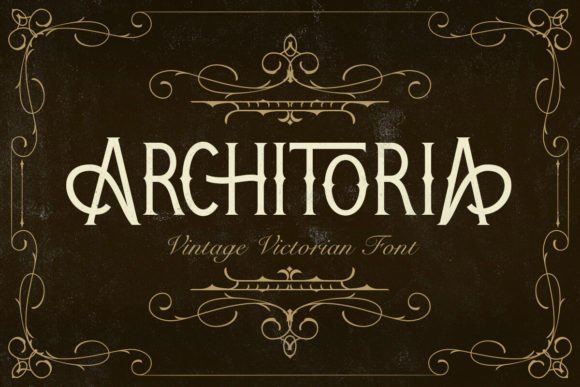
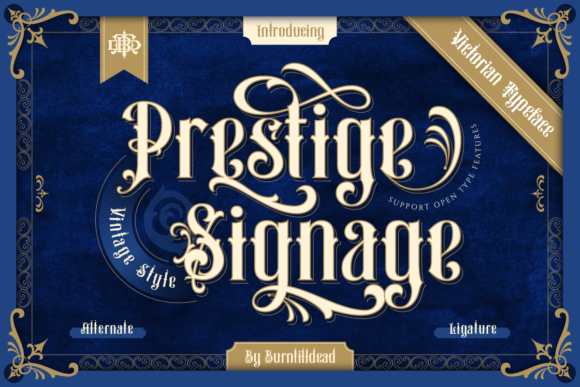
At its core, Prestige Signage is a blackletter display font. For anyone unfamiliar, blackletter (or gothic script) is the style of writing used in Western Europe from the 12th century onward, famously used in the Gutenberg Bible. Its defining features are dense, vertical strokes and ornate, angular serifs. This particular font draws inspiration from that historical foundation but is crafted with contemporary use in mind. The goal is legibility alongside style. The strokes are balanced to ensure that while the font feels ornate, it doesn’t sacrifice clarity, a common challenge with more complex historical typefaces.
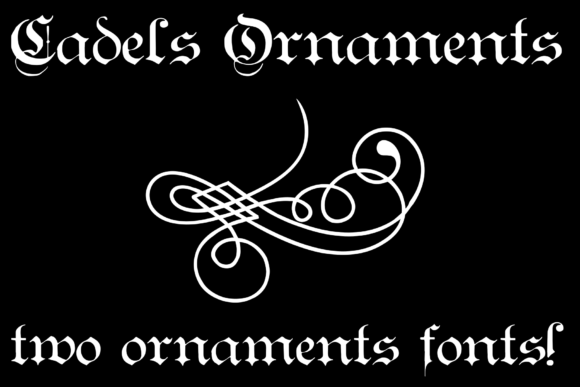
What makes it particularly versatile is the inclusion of eight alternate characters and a free ornament. Alternates are different versions of the same letter, allowing you to customize the look of a word to avoid repetition or to add a specific flourish. The ornament is a decorative graphic element, like a divider or a corner piece, that complements the font’s style. This transforms the font from a simple text tool into a small design system, enabling you to create cohesive visual elements without needing additional assets.
Practical Applications: Where This Font Truly Shines
Knowing a font’s aesthetic is one thing; understanding where it works best is another. This is where practical experience with design assets comes in handy. A premium font like this isn't for body text on a website, but it excels as a headline or accent font in specific contexts.
For Branding and Logo Design: Imagine a craft distillery, a bespoke tailor, a high-end chocolatier, or a historic pub. A logo set in a blackletter style immediately communicates tradition, quality, and a story. It suggests the brand has roots and takes its craft seriously. Paired with a simple sans serif for supporting text, it creates a powerful and balanced brand identity.
In Packaging and Print Materials: Think about a wine label, a book cover for a classic novel, a certificate of authenticity, or an invitation to a formal event. Prestige Signage provides the visual anchor. It sets the tone before a single word of the description is read. The included ornament can be used as a subtle separator between the product name and the details, adding a layer of professional polish.
For Digital and Editorial Design: On social media, a striking header image for a blog post about history, art, or luxury goods can stop the scroll. In editorial layouts, a drop cap or a pull quote using this font can add dramatic emphasis. It’s also effective for creating compelling digital products, like downloadable art prints or planners with a vintage theme.
Strategic Use: Enhancing Your Project’s Impact
Choosing a creative font is a strategic decision that affects more than just aesthetics. Using a typeface like Prestige Signage intentionally can directly improve key aspects of your project.
- Visual Consistency & Brand Recognition: By using this font for all primary headlines across your packaging, website, and marketing materials, you create a strong visual thread. Customers begin to associate that specific typographic style with your brand, enhancing recognition.
- Professional Presentation: A well-chosen, high-quality font signals attention to detail. It elevates a design from looking homemade to looking professionally crafted, which builds trust with your audience.
- Audience Engagement: The right display font doesn’t just convey information; it evokes a feeling. The elegant, historic feel of this typeface can engage an audience on an emotional level, making your content more memorable and shareable.
Key Considerations for Implementation
Before integrating any new design asset into your workflow, a few practical steps ensure you get the best results.
Testing Font Pairings: A font’s power is often in how it pairs with others. For a project using Prestige Signage, you’ll almost always need a secondary font for longer descriptions or body text. A clean, modern sans serif font creates a beautiful contrast, letting the blackletter headline stand out while ensuring readability. A simple, elegant serif font could also work for a more harmonious, classic feel. Always test your pairings at the size they’ll be used.
Readability in Context: While this font is designed for legibility, its best use is in large, short bursts—think titles, single words, or short phrases. Avoid setting entire paragraphs in a blackletter style. Consider the viewing environment; a font that looks stunning on a printed poster might need to be used more sparingly on a small mobile screen.
Licensing for Commercial Projects: It’s crucial to verify the font’s licensing terms. Most premium fonts require a commercial license for use in projects you sell or for client work. This ensures you’re legally covered and supports the type designers who create these intricate tools. Always check the license details provided with your download.
In the end, a typeface is a voice. Prestige Signage offers a voice that is confident, historic, and unmistakably elegant. By understanding its visual strengths and applying it thoughtfully to the right projects, you can harness its character to tell a more compelling story, one that resonates with a sense of quality and timelessness. It’s a valuable addition to the toolkit of any designer, entrepreneur, or creator looking to communicate prestige and heritage in their visual work.