Chic: The Sans Serif That Brings Quiet Sophistication
There's a particular kind of design challenge that comes up more often than people realize: you need a typeface that feels elevated without being stuffy, modern without being cold, and versatile enough to work across a dozen different applications. Maybe you're finalizing a brand identity for a boutique skincare line. Maybe you're laying out an editorial spread for a lifestyle magazine. Maybe you're designing social media templates for a client who wants their Instagram grid to look cohesive and polished. In each of these cases, the font you choose carries enormous weight. It sets the tone before a single word is read, and it either earns trust or raises doubt in the first half-second of visual contact.
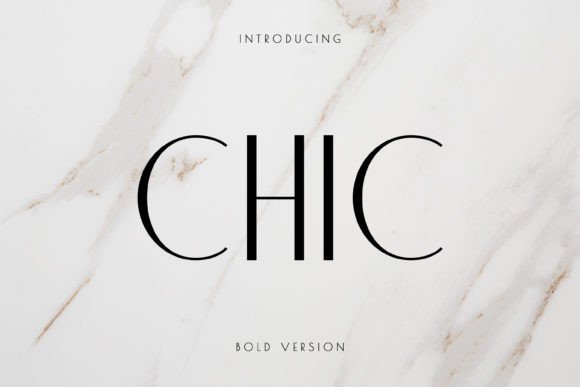
This is where Chic enters the conversation. It's a graceful, elegant sans serif typeface built for designers and creators who want their work to look refined without relying on ornate scripts or heavy decorative fonts. Its strength lies in its stylish simplicity. The letterforms are clean, the proportions are balanced, and the overall impression is one of quiet confidence. There's no visual noise here, no unnecessary flourishes competing for attention. Just well-crafted characters that let the content speak clearly while adding a layer of sophistication to whatever they touch.
Why Clean Typography Still Wins
In a landscape crowded with bold display fonts, handwritten scripts, and experimental typefaces, it might seem counterintuitive to reach for something understated. But the reality is that most successful brands and high-performing content rely on typography that prioritizes clarity. Think about the brands you trust most. Chances are their visual identity uses fonts that are easy to read, consistent in weight, and free from gimmicks. That's not a coincidence. Clean typography communicates professionalism, and professionalism builds trust.
Chic fits squarely into this category. As a premium sans serif font, it offers the kind of visual consistency that makes a brand feel cohesive across every touchpoint. The same typeface that looks sharp on a business card will look equally at home on a website header, a product label, or a pitch deck. That kind of adaptability is genuinely valuable, especially for small businesses and entrepreneurs who need their design assets to work hard across multiple formats without looking repetitive or disjointed.
Where This Typeface Truly Shines
One of the most practical things about Chic is how many different contexts it handles well. Consider logo design, for instance. A good logo font needs to be distinctive enough to be memorable but simple enough to scale down to a favicon or up to a storefront sign. Chic strikes that balance. Its letterforms have enough personality to stand on their own in a wordmark, but they don't rely on tricks that fall apart at small sizes or in monochrome applications.
Packaging design is another area where this typeface earns its place. Whether you're labeling artisan candles, designing cosmetic boxes, or creating food packaging for a specialty brand, the font you use on the label directly influences how premium the product feels. Chic brings that elevated, boutique aesthetic without making the design feel inaccessible. It says, "This product is thoughtful and well-made," which is exactly the message most brands want to send.
Social media graphics deserve a mention here too. If you've ever struggled to create Instagram posts or Pinterest pins that look consistent across a grid, you know how much the right font matters. A typeface like Chic makes it easier to build templates that feel unified. Its readability holds up whether the text is a single headline or a longer caption overlay, and its elegance photographs well, which is a surprisingly important factor in the age of screenshot culture.
Pairing Fonts Without the Headache
Few things in design cause as much second-guessing as font pairing. You find a typeface you love for your headings, and then you spend an hour cycling through options for body text, convinced nothing works. Chic simplifies this process because its design is balanced enough to play well with others. It pairs naturally with serif fonts for projects that need a classic-meets-modern contrast. It also works alongside other sans serif typefaces if you want to create hierarchy through weight and size rather than style shift.
A practical approach is to test Chic with a few different secondary fonts before committing. Set a sample headline in Chic, then try your body copy in something like a traditional serif typeface or even a subtle script font for accent text. Print it out if you can, or at least view it at actual size on screen. Look at the spacing between the two typefaces. Do they feel like they belong together, or does one overpower the other? Good font pairing should feel effortless, like the two typefaces were designed to coexist.
For editorial layouts, this pairing strategy becomes especially important. A magazine spread or blog post with a Chic headline and a well-chosen body font will feel polished and intentional. The reader may never consciously notice the typography, which is actually the goal. When type works well, it disappears into the experience and lets the content take center stage.
Readability Is Non-Negotiable
No matter how beautiful a typeface looks in a specimen sheet, it has to perform in real-world conditions. Text set in Chic needs to hold up on screens of varying resolutions, in print at different sizes, and across lighting conditions that you can't control. The good news is that sans serif fonts generally perform well in digital environments, and Chic is no exception. Its open letterforms and consistent stroke widths make it legible even at smaller sizes, which matters for things like website navigation, product descriptions, and mobile interfaces.
When working on web design projects, take a moment to test the font in context. Set a paragraph of real copy, not placeholder text, and read it on your phone, your laptop, and a tablet. Check the line height and letter spacing. Even a small adjustment to these values can dramatically improve how comfortable the text is to read. Chic's default spacing is well-considered, but every project has its own needs, and a few minutes of fine-tuning can make a significant difference in the final result.
Licensing and Practical Considerations
Before you commit any font to a commercial project, it's worth reviewing the licensing terms. This is one of those details that can create real problems down the road if overlooked. Make sure the license covers your intended use, whether that's a client website, a product line, digital downloads, or print materials. Most premium fonts come with clear licensing, but it's always worth confirming before you build an entire brand identity around a typeface you may not have full rights to use commercially.
Also, take a look at what's included in the font package. Does it come with multiple weights and styles? Italics? Extended character sets for multilingual support? These details matter more than you might think. A font family with a good range of weights gives you flexibility to create hierarchy and emphasis without reaching for a second typeface. If Chic includes light, regular, medium, and bold weights, you have a complete toolkit for everything from subtle subheadings to impactful display text.
Matching Font to Intention
The most important question to ask yourself before choosing any typeface is simple: what feeling should this project communicate? If the answer involves words like modern, clean, sophisticated, minimal, or polished, then a sans serif like Chic is a strong candidate. If the project calls for warmth, tradition, or handcrafted charm, you might pair it with a script font or a serif for contrast, using Chic as the structural backbone of your typography system.
For merchandise and invitations, think about how the font will look in its final form factor. A wedding invitation printed on textured cardstock will render type differently than the same font on a screen-printed tote bag. Test in the medium whenever possible. For digital products like e-books, worksheets, or online courses, Chic provides a professional presentation that signals quality and care, which can directly influence how your audience perceives the value of what you're offering.
Ultimately, the right typeface does more than look good. It supports your message, reinforces your brand identity, and creates a visual experience that feels intentional from start to finish. Chic delivers on all of these fronts with a quiet elegance that doesn't demand attention but consistently earns it. For designers, creators, and business owners who want their work to look polished without feeling overdone, it's a typeface worth exploring seriously.