Coming Home: The Simple Sans Serif Font for Modern Branding
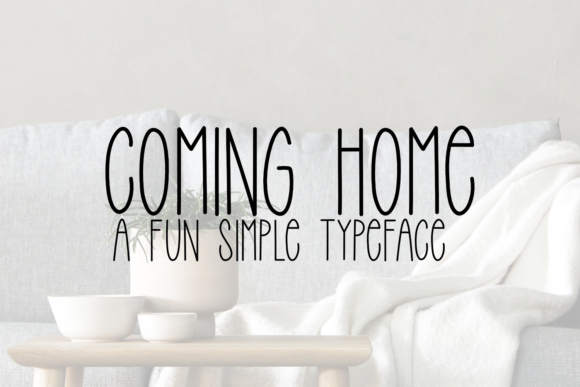
There’s a certain kind of clarity you get when you find the right typeface—one that feels both effortless and intentional. Coming Home is that font for a lot of designers and creatives right now. It’s a thin, tall, and simple sans serif that doesn’t try to be the loudest voice in the room. Instead, it brings a quiet confidence, a modern elegance that works across so many different projects. Whether you’re designing a brand identity from scratch or refreshing your social media graphics, this font has a way of making everything feel cohesive and polished.
A Font That Adapts to Your Vision
What makes Coming Home stand out isn’t just its clean lines or minimalist aesthetic. It’s how versatile it is. This isn’t a one-trick typeface. You can use it for a wedding invitation one day and a tech startup’s logo the next. Its simplicity is its strength—it provides a blank canvas that lets your content, imagery, and overall design shine. Think about those times when you need a font that won’t compete with a beautiful photograph or a detailed illustration. Coming Home steps back just enough to let other elements take the lead, while still holding the whole design together with its understated structure.
For small business owners and entrepreneurs, this kind of adaptability is gold. You might be working on packaging for a new product, then jumping into an email newsletter, and later designing a flyer for a local event. With a font like Coming Home, you don’t have to reinvent your visual language each time. It helps maintain that thread of consistency, which is so important for building recognition. People start to associate that clean, modern typography with your brand—and that’s a powerful thing.
Practical Uses Across Creative Projects
Let’s talk about where you can actually use this font. If you’re into branding, Coming Home works beautifully for logos, especially if you’re going for a contemporary, approachable look. It’s not overly stylized, so it ages well—your logo won’t feel dated in a couple of years. For packaging design, think about how a thin sans serif can add a touch of sophistication to labels, boxes, or tags. It’s particularly effective for minimalist product lines where the typography needs to complement, not overpower, the design.
Social media is another area where this font shines. We’ve all seen those Instagram graphics where the text is either too busy or too bland. Coming Home strikes that balance. It’s legible on small screens, which is crucial for mobile-first platforms. Use it for quotes, announcements, or even your Instagram Stories. Pair it with a bold serif or a playful script for contrast, and you’ve got a visual system that feels dynamic yet unified.
For anyone working in digital products—like e-books, online courses, or printable planners—this font brings a professional finish. It’s easy to read in longer paragraphs, which matters for user experience. And because it’s a premium font with commercial licensing, you can use it in client projects or merchandise without worrying about legal headaches. Always double-check the license, of course, but with a font like this, you’re usually covered for a wide range of applications.
Pairing and Readability: Making It Work
One of the smartest things you can do with a font like Coming Home is to test different pairings. Because it’s a sans serif with a delicate weight, it often pairs well with a more substantial serif or even a handwritten script. Try using Coming Home for headings and a classic serif like Georgia for body text in a blog layout. Or use it alongside a bold, geometric sans serif for a striking contrast in poster designs. The key is to create hierarchy without clutter.
Readability is always a priority, especially in print materials or websites. Coming Home’s tall, simple letterforms make it highly legible at various sizes, but you’ll want to pay attention to spacing and line height. In digital contexts, ensure there’s enough contrast between the text and background. In print, consider the paper stock and ink—sometimes a thin font can get lost on textured paper, so it might need a slightly heavier weight or a bit of tracking adjustment.
Don’t be afraid to experiment. Load the font into your design software and play around with different contexts. How does it look on a dark background versus a light one? What happens when you use all caps for a short headline? These little tests can reveal surprising strengths and help you make the most of the typeface’s personality.
Why This Font Feels So Right for Today
We’re in a moment where design trends lean toward clean, airy aesthetics. People are drawn to brands that feel authentic and uncluttered. Coming Home fits right into that vibe. It’s not trying to be retro or overly futuristic—it’s just modern in a timeless way. That’s probably why it works so well for a variety of audiences, from lifestyle bloggers to SaaS companies.
If you’re a content creator, think about how consistent typography can strengthen your personal brand. Using the same font across your website, YouTube thumbnails, and Pinterest pins creates a recognizable style. It tells your audience that you pay attention to details, which builds trust. And for marketers, having a go-to font like this simplifies the creative process. You spend less time searching for the right typeface and more time crafting messages that resonate.
Ultimately, Coming Home is one of those fonts that quietly elevates your work. It doesn’t scream for attention, but it makes everything look more polished and intentional. Whether you’re designing for yourself or for clients, it’s a tool that can help you communicate more effectively—and that’s what good design is all about.