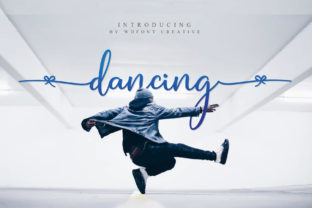
Dancing Font: A Handwritten Typeface That Captures Authenticity
There's a particular feeling you get when a design just clicks—the kind of visual warmth that makes you stop scrolling, pause mid-flip through a magazine, or linger on a product label a beat longer than usual. Often, that magic comes down to typography, and specifically, to choosing a typeface that carries genuine personality. That's exactly what the Dancing font brings to the table: a handwritten style that feels both approachable and polished, bridging the gap between casual charm and professional credibility.
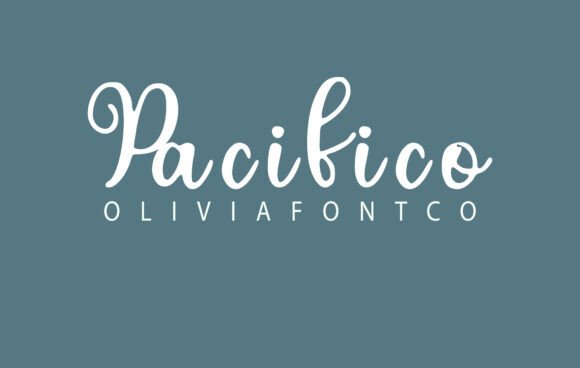
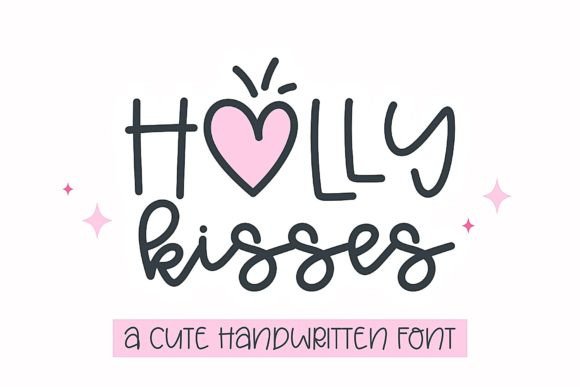
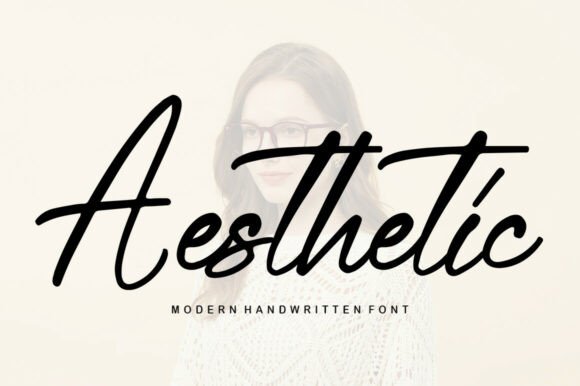
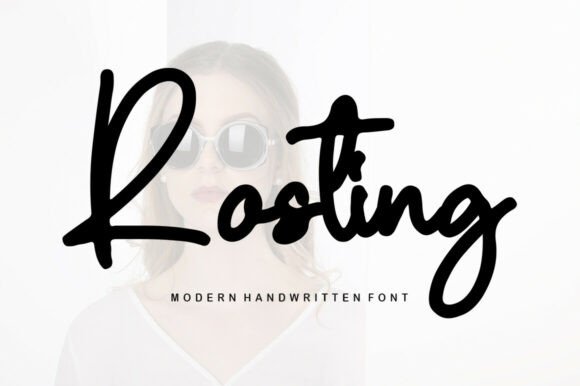
Designed with flowing letterforms and natural brush-like strokes, this typeface reads like someone actually sat down and wrote each word by hand. But unlike many script fonts that sacrifice legibility for flair, Dancing strikes a careful balance. Its characters are distinct enough to remain readable at various sizes, while still maintaining that organic, human quality that instantly makes a design feel more personal.
Why Handwritten Fonts Still Win in a Saturated Market
We live in an era of algorithmic perfection. Templates are everywhere, and Canva has made it dangerously easy for every brand to look exactly the same. The result? Audiences have developed a kind of visual fatigue. They scroll past anything that feels templated or mass-produced, and they gravitate toward content that feels authentic and intentional.
A handwritten typeface like Dancing cuts through that noise precisely because it signals effort and care. When a small business owner uses it on their packaging, it communicates that a real person is behind the brand. When a blogger sets a pull quote in a script font, it draws the eye and creates a moment of visual intimacy that sans serif alternatives simply can't replicate.
This isn't about being whimsical or overly decorative. It's about using typography strategically to create emotional resonance—and that's a skill that separates forgettable design from work that actually connects with people.
Where Dancing Shines: Real Applications for Real Projects
The versatility of this typeface is one of its strongest selling points. It's not a one-trick font that only works for wedding invitations or greeting cards, though it certainly excels there. Consider these practical scenarios where a premium font with handwritten character can genuinely elevate your work:
- Brand Identity Systems: For businesses that want to project warmth—think artisan bakeries, boutique skincare lines, independent bookshops, or coaching practices—Dancing works beautifully as a secondary typeface in a brand identity. Pair it with a clean sans serif for body text, and use the handwritten font for taglines, headers, and accent copy. The contrast creates visual hierarchy while keeping the overall feel approachable.
- Packaging Design: Product labels on shelves have roughly three seconds to communicate personality. A script font or handwritten style on packaging immediately signals craft, care, and small-batch quality. Whether you're designing coffee bags, candle labels, or artisan chocolate wrappers, this typeface adds that human touch consumers associate with premium, thoughtfully made products.
- Social Media Graphics: Instagram stories, Pinterest pins, and Facebook posts all benefit from typography that stands out in a crowded feed. Dancing works particularly well for quote graphics, sale announcements, and personal brand content where you want the text itself to feel like a conversation rather than an advertisement.
- Logo Design: While not every brand needs a script logo, certain industries practically demand it. Florists, photographers, lifestyle coaches, and event planners often find that a handwritten wordmark captures their essence far better than geometric sans serif alternatives. The key is ensuring the letterforms work well at both large and small scales—something Dancing handles gracefully.
- Print Materials and Merchandise: From business cards and thank-you notes to tote bags and apparel, having a reliable creative font in your toolkit means you can maintain brand consistency across physical touchpoints. The organic quality of handwritten typography translates especially well to print, where textured paper stocks and letterpress techniques amplify its natural character.
Pairing Typography Thoughtfully
One of the most common mistakes in design is treating font selection as an isolated decision. Typography works as a system, and the effectiveness of any single typeface depends heavily on what surrounds it. With a display font like Dancing, the pairing strategy matters enormously.
Because handwritten fonts carry a lot of visual energy, they benefit from being balanced by something more restrained. A geometric sans serif or a classic serif font for body copy creates the contrast needed for the script elements to breathe. Think of it like seasoning in cooking—a little goes a long way, and the supporting ingredients need to be complementary rather than competing.
A practical approach: set your headlines or accent text in Dancing, then use a typeface like Montserrat, Lora, or even a straightforward system font for paragraphs and longer passages. This creates clear visual hierarchy while ensuring readability across different contexts—whether someone's reading your website on a phone or examining a printed brochure at arm's length.
It's also worth testing your font pairings at multiple sizes and on different backgrounds before committing. A combination that looks elegant on a white desktop screen might feel muddy on a dark mobile interface. Print a test sheet. View it on your phone. Ask someone unfamiliar with the project to read it and share their honest reaction. These small steps prevent costly revisions down the line.
Readability Isn't Optional—It's the Foundation
There's an important distinction between a font being beautiful and a font being functional. The best typefaces manage both, but it requires the designer to make smart choices about context. A handwritten font like Dancing is ideal for short-form text: headlines, logos, pull quotes, product names, and call-to-action buttons. It's less suited for long paragraphs or dense editorial layouts where sustained reading is required.
This isn't a limitation—it's simply understanding what each tool in your design assets library is built for. You wouldn't use a hammer to turn a screw, and you shouldn't expect a script typeface to do the heavy lifting of body copy. Use it where it has the most impact, and let more utilitarian fonts handle the rest.
Pay attention to letter spacing and line height as well. Handwritten fonts sometimes need slightly more generous spacing than their sans serif counterparts to maintain legibility, particularly at smaller sizes. Most professional font files include kerning pairs that address this automatically, but it's always worth reviewing the output and making manual adjustments when necessary.
Licensing and Commercial Considerations
If you're working on client projects or selling products that feature the font, licensing is a non-negotiable detail that too many creatives overlook. A commercial font license ensures you have legal permission to use the typeface in revenue-generating contexts—whether that's a client's logo, a product label sold in stores, or digital goods like printable planners and social media templates.
Before purchasing any premium font, verify what the license covers. Most reputable font foundries and marketplaces clearly outline whether the license permits use in logos, merchandise, digital products, and embedded web fonts. Some licenses are priced per user, while others cover an entire team or organization. Understanding these terms upfront protects both you and your clients from potential legal complications later.
For freelancers and agency designers, it's good practice to document which fonts are licensed for each project and maintain records of purchase receipts. It's the kind of administrative detail that feels tedious in the moment but saves significant headaches if questions ever arise.
Making Typography Work Harder for Your Brand
The fonts you choose are silent ambassadors for your brand. They communicate tone, values, and personality before anyone reads a single word of your actual content. A typeface like Dancing—with its natural warmth and handcrafted aesthetic—positions brands and projects as approachable, creative, and human.
Whether you're building a visual identity from scratch, refreshing a social media presence, or designing packaging for a new product line, investing in quality typography is one of the highest-leverage decisions you can make. It's the kind of detail that most consumers won't consciously notice, but will absolutely feel—and that feeling is what turns casual browsers into loyal customers.
Take the time to experiment. Set sample text in different contexts. Explore how the letterforms interact with your color palette and imagery. Typography rewards patience and curiosity, and the right handwritten font might just be the missing piece that brings your entire creative vision into focus.