Extreeme Texas: A Typeface Forged in the Spirit of the American West
Every brand tells a story, and sometimes that story requires a voice that is loud, confident, and steeped in tradition. You don’t just want to be seen; you want to be remembered. If you are working on a project that demands a rugged, masculine edge or a touch of vintage Americana, standard corporate fonts often fall flat. This is where typography becomes a design asset rather than just a utility. Enter a bold display font that captures the essence of classic cowboy aesthetics while maintaining modern versatility. It is designed for creatives who need their text to command attention immediately, evoking the strength and character of the frontier.
Visual Character and Design Strength
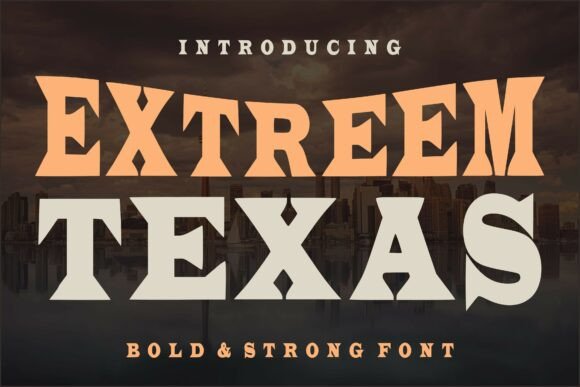
When selecting a typeface for high-impact visuals, the details matter. This specific font is a powerful display option inspired by classic western and vintage typography. It features bold letterforms with sharp edges and strong character, making it distinct from the softer, rounded styles often found in modern minimalism. The visual weight of the typeface ensures that it stands out against complex backgrounds, which is crucial for designs that need to convey authority and grit.
The design aesthetic leans heavily into the "rugged" territory, but it does so with professional precision. The kerning and spacing are crafted to maintain legibility even when the font is used at high speeds or in chaotic visual environments. Unlike generic serif or sans serif options, this display font has a personality built into its DNA. It brings a sense of history and authenticity to the screen, which can be the deciding factor in whether a logo feels genuine or manufactured.
Practical Applications for Modern Creators
While the inspiration is vintage, the application is entirely modern. This typeface is incredibly versatile for a range of creative projects. If you are a graphic designer working on merchandise, this font is ideal for t-shirt designs and signage. The bold strokes read well on fabric, and the sharp edges create high contrast on printed materials.
For entrepreneurs and small business owners, the utility extends into branding and packaging design. Imagine a craft brewery, a BBQ restaurant, or a leather goods brand. Using a font like Extreeme Texas for the primary logo instantly communicates the brand's values—strength, tradition, and quality. It works exceptionally well for:
- Logo Design: Creating a central mark that anchors the brand identity.
- Posters and Flyers: Grabbing attention from a distance for events or sales.
- Website Headers: Setting a strong tone above the fold without requiring images.
- Social Media Graphics: Stopping the scroll on platforms like Instagram or Pinterest.
Integrating Typography into Your Brand Identity
Choosing a font is more than an aesthetic choice; it is a strategic decision. The typography you select for your brand identity plays a massive role in how your audience perceives you. A premium font like this one helps improve visual consistency. When you use the same strong typeface across your website, business cards, and marketing assets, you build brand recognition much faster.
However, readability is a key consideration. Because this is a display font with strong character, it is best suited for headlines, subheadings, and short bursts of text rather than long-form body copy. Using it for a 100-word paragraph might tire the reader's eyes, but using it for a 10-word headline creates a focal point that draws the reader in. This distinction is vital for professional presentation. You want to look polished, not overwhelming.
Mastering Font Pairings and Hierarchy
No font exists in a vacuum. To get the most out of a bold western typeface, you need to master font pairing. Because this font is so expressive, it pairs best with something neutral and clean for the body text. A simple geometric sans serif or a classic serif font can provide the necessary contrast to let the display font shine.
For example, if you are designing an editorial layout or a digital product like an eBook, use the bold display font for chapter titles or call-out quotes. Then, switch to a highly legible font for the actual reading content. This creates a modern typography hierarchy that guides the reader's eye naturally. It balances the rugged personality of the headline with the functionality required for the content.
Testing and Refining Your Design
Before finalizing a project, always test your font choices in context. If you are working on web design, check how the typeface renders on different screen sizes and resolutions. If you are working on print materials, print a test page to ensure the sharp edges don't bleed on lower-quality paper. Reviewing the included font styles is also helpful; many premium fonts come with variations or stylistic alternates that can add a unique flair to specific letters, helping you avoid a generic look.
Finally, always check your commercial licensing. For designers creating assets for clients or business owners selling products, ensuring you have the right to use the font commercially is non-negotiable. Using a properly licensed creative font protects your business and supports the artists who create these design assets. When you invest in quality typography, you are investing in the longevity and professionalism of your work.