Unleash Raw Power: Why Monster Truck Demands Attention
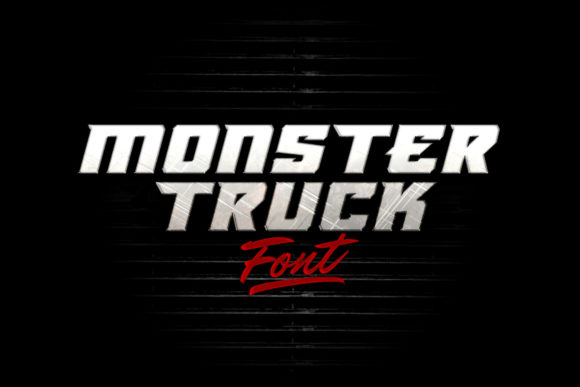
There is a specific moment in every design process where the typography either whispers or shouts. If your project involves speed, adrenaline, or high-impact action, a whisper is rarely the right choice. You need a typeface that captures the raw energy of a stadium roaring to life, the grit of dirt flying through the air, and the sheer mechanical power of massive wheels tearing up the track. This is where the Monster Truck font enters the scene. It is a cool, bold, and modern display font that functions less like a passive set of letters and more like a visual exclamation point. Add this font to any of your sport or speed-related designs, and you will instantly notice how they come to life, transforming from flat concepts into dynamic experiences.
The Anatomy of a High-Impact Typeface
At first glance, Monster Truck is defined by its confidence. It is a premium font that refuses to blend into the background. The letterforms are constructed with heavy weights and sharp, aggressive angles that mimic the industrial strength associated with off-road vehicles. However, what separates a professional design asset from a generic one is the nuance. While the font is undeniably bold, it maintains a modern typography sensibility. It doesn't look dated or overly distressed; instead, it feels clean yet powerful, making it versatile enough for contemporary digital environments as well as rugged print applications.
For the designer or entrepreneur, the visual appeal lies in its ability to convey emotion instantly. Typography is a non-verbal cue. When a potential customer sees the Monster Truck typeface, they immediately associate it with movement, strength, and excitement. This is crucial for branding. Whether you are designing a logo for a new energy drink, creating headers for a fitness blog, or laying out a poster for a local motorsport event, this font acts as the anchor for your visual hierarchy. It grabs the eye and holds it, ensuring that your headline does exactly what a headline is supposed to do: stop the scroll.
Beyond the Track: Creative Applications for Modern Brands
While the name suggests a niche application, the utility of a strong display font extends far beyond motorsports. In the world of visual communication, attitude is currency. Here is how you can apply the Monster Truck typeface across various mediums to elevate your brand identity:
- Logo Design and Branding: If your brand personality is disruptive, energetic, or rebellious, this typeface serves as a solid foundation for a wordmark. It pairs exceptionally well with sans serif fonts for body text, creating a clear contrast between your headlines and your message.
- Packaging Design: On a crowded shelf, packaging needs to scream "pick me up." Using Monster Truck for the product name on packaging for gaming peripherals, spicy snacks, or athletic gear creates an immediate shelf presence that softer fonts cannot achieve.
- Social Media Graphics: The algorithm favors engagement, and bold graphics stop thumbs. Use this font for Instagram stories, YouTube thumbnails, or TikTok overlays to announce sales, drops, or events. Its high readability at various sizes makes it perfect for mobile viewing.
- Merchandise and Apparel: T-shirts, hoodies, and caps rely heavily on typography that looks good stretched across fabric. The heavy weight of this typeface ensures that prints stand out, offering a streetwear aesthetic that appeals to a younger, trend-conscious demographic.
- Editorial Layouts and Blogs: Even in publishing, a touch of edge can break the monotony. Use it for pull quotes or feature headers in a magazine layout to add a layer of grit to an otherwise standard editorial design.
Mastering the Mix: Pairing and Readability
One of the most common pitfalls in using bold display fonts is over-saturation. If you set an entire paragraph in Monster Truck, you lose the impact, and more importantly, you lose readability. The golden rule of modern typography is contrast. Because Monster Truck is a high-impact display font, it demands a partner that is quiet and legible.
For body copy, look to a clean sans serif font or even a classic serif font with a sturdy structure. The goal is to let the headline do the shouting while the body text does the explaining. When testing your font pairings, pay close attention to the x-height and weight. You want the secondary font to support the headline, not fight it.
Furthermore, consider the context of the reading environment. On a website, screen resolution and anti-aliasing can affect how sharp edges render. Always test the font at the actual size it will appear on desktop and mobile devices. For print materials, such as flyers or posters, the kerning (space between letters) might need slight adjustment to ensure the letters breathe, even with their heavy weight. A well-kerned bold font looks expensive; a poorly kerned one looks crowded.
Practical Considerations for Commercial Projects
When selecting a creative font for a client or your own business, the aesthetic is only half the equation. The practical side of licensing and versatility is equally important. Before finalizing your design assets, review the specific font styles included in the package. Does the typeface come with different weights? Does it include alternative characters or ligatures that can add a custom feel to your logo design?
Commercial licensing is another critical checkpoint. If you are a freelance designer handing off files to a client, or a business owner printing merchandise for sale, you must ensure the license covers commercial use. This protects you legally and ensures that your investment in a premium font is sound.
Ultimately, typography is the voice of your design. Choosing a typeface like Monster Truck is a strategic decision to be heard above the noise. It is about aligning your visual communication with a message of power, speed, and undeniable presence. By balancing its bold nature with thoughtful pairing and strategic placement, you can turn a simple project into a memorable brand statement.