Why This Handwritten Font Feels Like a Conversation
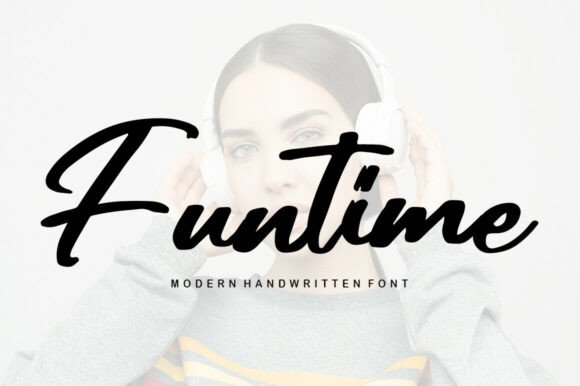
There’s a certain warmth that digital designs often lack. We scroll through hundreds of sterile, perfectly aligned sans-serif layouts every day, but then we stumble upon a design that feels human. It feels like a note passed across a table or a signature on a cherished letter. That tactile quality is exactly what the Funtime typeface brings to the screen. It is a stylish and incredibly elegant handwritten font that bridges the gap between digital convenience and the intimacy of pen on paper. If you are looking to infuse your next project with personality and grace, understanding how to wield this specific style of typography could be the missing piece in your creative toolkit.
The Visual Appeal of Organic Typography
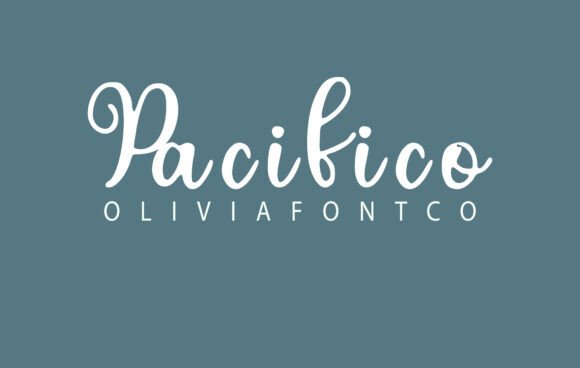
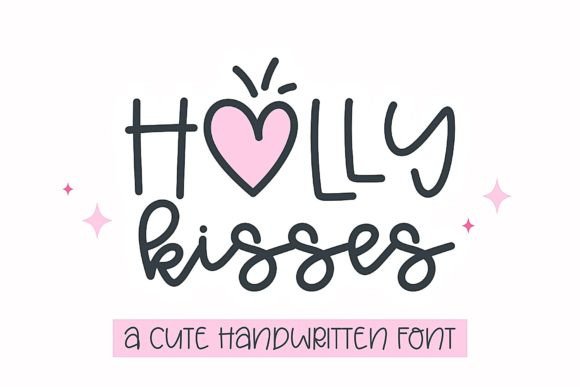
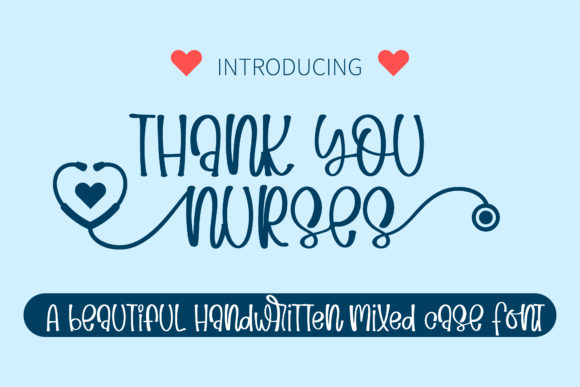
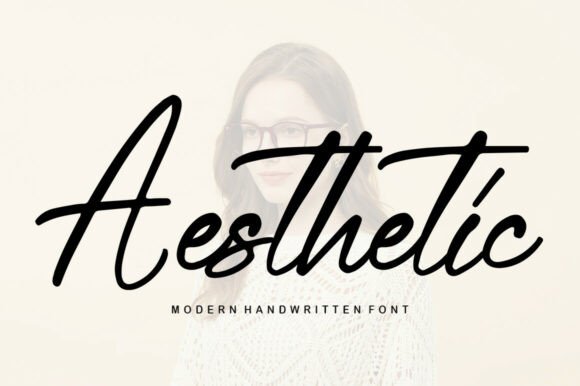
What makes a script or handwritten font truly effective isn't just about making text look like cursive; it is about capturing rhythm. Funtime succeeds here because it balances fluidity with structure. Unlike some premium fonts that try so hard to look messy that they become illegible, this typeface maintains a sophisticated elegance. It looks stunning on wedding invitations, thank you cards, and quotes, but its utility extends far beyond stationery. The visual appeal lies in its versatility—it has enough character to stand out as a display font, yet enough poise to remain professional.
When we talk about modern typography, we are often looking for ways to break the grid without breaking the design. This script font allows designers to do just that. The letterforms have a natural bounce and variation that mimics actual handwriting, avoiding the "repetitive loop" look that plagues cheaper typefaces. This makes it a valuable asset for anyone involved in logo design or editorial design who needs a typeface that commands attention without shouting.
Strategic Applications for Brand Identity
For small business owners and creative entrepreneurs, typography is a silent ambassador for your brand. If your brand voice is friendly, approachable, and creative, a rigid corporate font might be sending the wrong message. Integrating a handwritten font like Funtime into your visual identity can instantly soften your image.
Consider how you might use this across different touchpoints to build consistency:
- Packaging Design: In a crowded marketplace, packaging design is often the first physical interaction a customer has with your product. Using a script font for the product name or a "Thank You" message on the label adds a layer of care and craftsmanship.
- Social Media Graphics: Algorithms favor engagement, and graphics that look human often perform better. Overlays of elegant typography on Instagram stories or Pinterest pins can stop the scroll. It pairs beautifully with photography, adding context without obscuring the image.
- Logo Design: While not suitable for every industry, this style is perfect for lifestyle brands, bakeries, boutiques, or creative agencies. It creates a signature mark that feels bespoke.
- Web Design: When used sparingly for headers or pull quotes, it adds a focal point that guides the reader's eye down the page.
Practical Guide to Font Pairing and Readability
One of the most common mistakes in typography is overusing a decorative font. Funtime is a powerful tool, but like a spice, it is best used to enhance rather than overwhelm. If you set an entire blog post or body text in a script font, you will quickly fatigue your reader's eyes. The goal is readability.
The most effective strategy is to pair this handwritten style with a clean, neutral typeface. A classic sans serif font or a simple serif font for the body text creates a beautiful contrast. The sans-serif provides the clarity needed for long-form reading, while Funtime handles the emotional heavy lifting in the headlines. This combination ensures your design looks professional while retaining that personal touch.
Here is a quick checklist for testing your font pairings:
- Scale and Weight: Does the handwritten font work at both large and small sizes? Test it for headers and sub-headers.
- Color and Contrast: Ensure the script font is legible against your background colors. Thin strokes in handwritten fonts can sometimes get lost in busy backgrounds.
- Spacing: Handwritten fonts often require slightly looser tracking (letter spacing) than standard text fonts to allow the swashes to breathe.
From Digital Assets to Print Materials
The versatility of a high-quality typeface lies in its ability to move fluidly between mediums. Funtime is not just for digital screens; it translates beautifully to print. Imagine this font on a large-scale poster for a local market or a flyer for a workshop. It brings an energy that standard block letters cannot replicate.
For content creators and marketers, this font is a secret weapon for creating marketing assets quickly. Whether you are designing a lead magnet PDF, a workbook cover, or a header for your newsletter, having a reliable script font saves time while maintaining high production value. It is particularly effective for "call to action" text—phrases like "Shop Now," "Join Us," or "Read More" feel more inviting when rendered in a friendly, handwritten style.
Furthermore, if you are in the business of selling digital products or merchandise, the aesthetic of your typeface directly influences perceived value. A t-shirt design or a mug graphic featuring a stylish, legible script often sells better than one using generic system fonts. It suggests that the item was curated and designed with intent.
Choosing the Right Style for Your Project
When selecting a creative font, it is vital to review the specific styles and weights included in the package. Does the font include alternates? Does it have ligatures that allow letters to connect more naturally? These features are what separate a standard font from a premium font. They allow you to customize the text so it doesn't look like a template.
Before finalizing your design, always consider the commercial licensing. If you are using the font for client work, merchandise, or templates for sale, ensure your license covers these uses. This is a crucial step for professional designers and agencies to avoid legal headaches later.
Ultimately, typography is about communication. Funtime